10 best fabric for wedding dresses bride dreams of wearing a wedding dress that reflects her personality, style, and the beauty of her special day. While the design and silhouette are important, the fabric plays an equally significant role in determining how a gown looks, feels, and moves. Choosing the best fabric for a wedding dress can make the difference between a dress that is simply beautiful and one that feels truly unforgettable.
From luxurious silk to romantic lace, each fabric offers unique qualities that suit different wedding themes, climates, and personal preferences. This guide explores the most popular wedding dress fabrics and helps you choose the perfect material for your dream gown.
Why Wedding Dress Fabric Matters
The best fabric for wedding dresses influences its comfort, elegance, durability, and overall appearance. A lightweight fabric creates a soft and flowing silhouette, while a heavier material offers structure and a regal finish. The right choice depends on factors such as the wedding season, venue, budget, and dress style.
For example, a beach wedding often calls for breathable fabrics like chiffon, while a formal ballroom ceremony may suit luxurious satin or silk.
1. Silk – The Timeless Luxury
Silk has long been considered one of the best fabric for wedding dresses. It is naturally smooth, breathable, and has a graceful sheen that photographs beautifully. Brides who appreciate classic elegance often choose silk for its premium quality and comfortable feel.
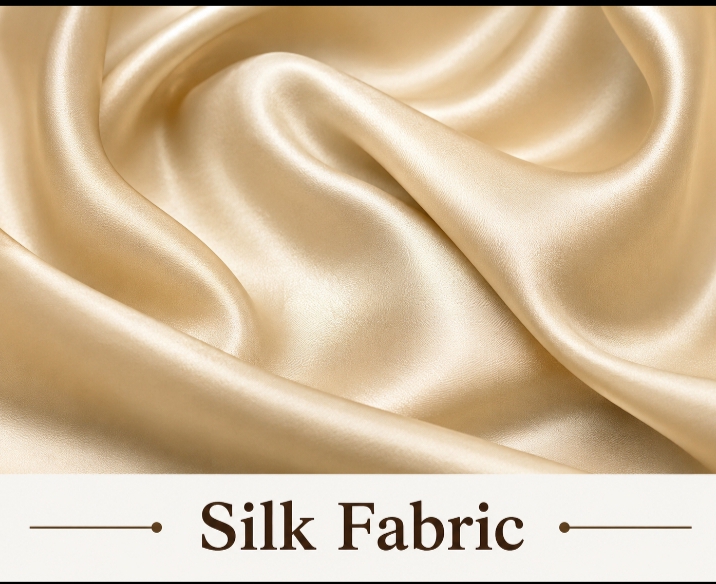
Silk drapes effortlessly, making it ideal for A-line gowns, sheath dresses, and sophisticated minimalist designs. Although it is one of the more expensive options, its luxurious appearance makes it a worthwhile investment for many brides.
Best for:
- Classic weddings
- Luxury bridal gowns
- Indoor and outdoor ceremonies
2. Satin – Elegant and Sophisticated
Satin remains one of the most best fabric for wedding dresses choices for bridal gowns because of its glossy finish and structured appearance. It creates a polished look while adding richness to the dress.
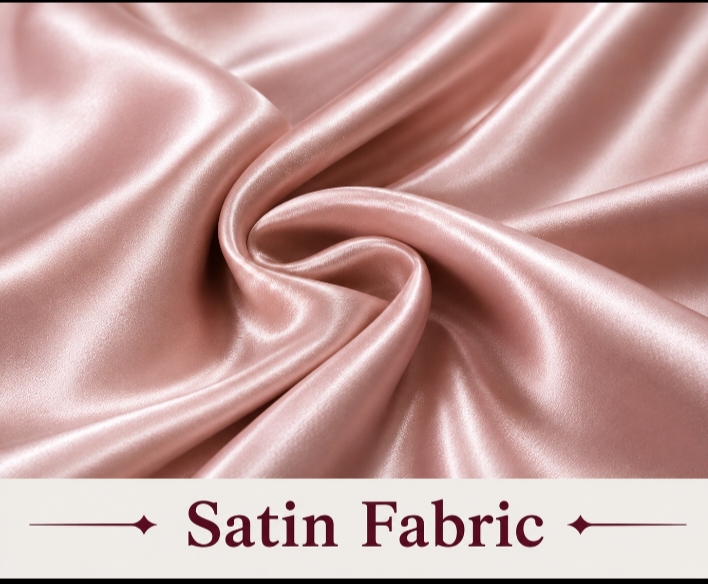
Its slightly heavier weight makes it suitable for cooler weather and formal weddings. Satin works exceptionally well for ball gowns, mermaid dresses, and princess-style silhouettes.
Advantages:
- Smooth finish
- Elegant shine
- Excellent durability
- Creates structured designs
3. Lace – Romantic and Timeless
Lace has become a symbol of romance in bridal fashion. Whether used as an overlay, sleeves, neckline, or throughout the gown, lace adds intricate detail and vintage charm.
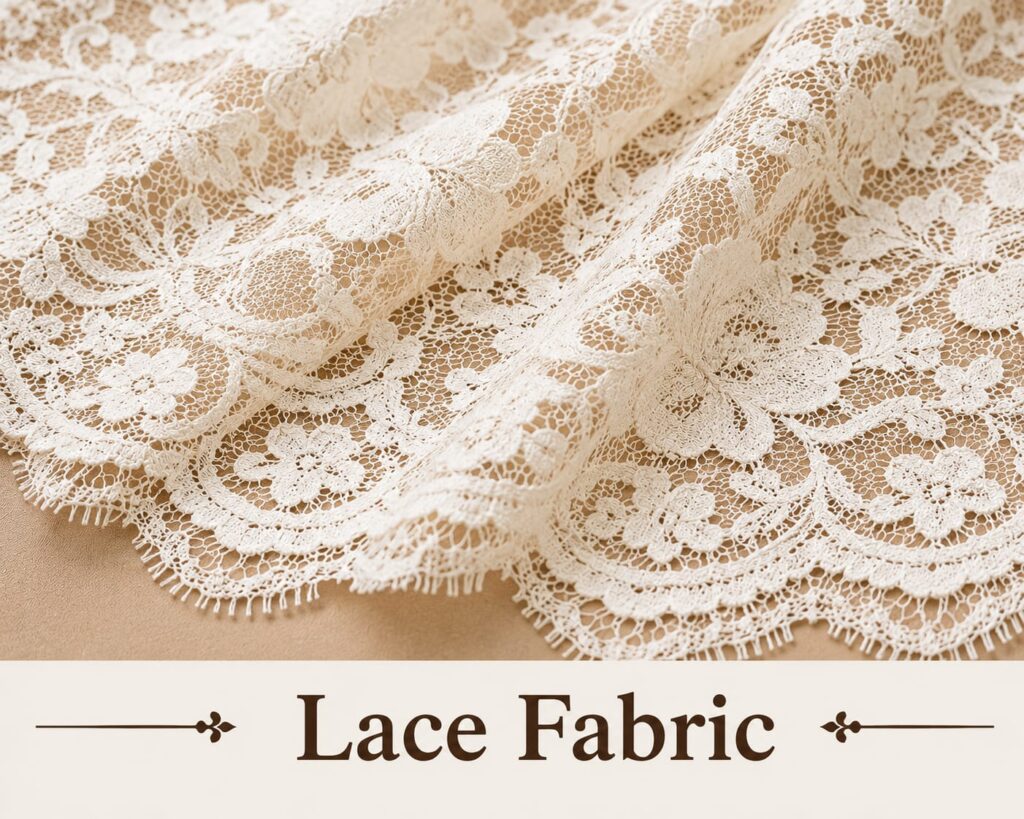
Modern lace comes in many patterns, including floral, geometric, and embroidered designs. Many designers combine lace with satin or tulle to create depth and texture.
Lace is perfect for brides seeking a feminine, graceful, and timeless appearance.
4. Chiffon – Light and Airy
Chiffon is a lightweight fabric known for its flowing movement and soft texture. It creates an effortlessly elegant look that is especially suitable for outdoor weddings.
Because chiffon is breathable and comfortable, it is an excellent choice for summer ceremonies, beach weddings, and destination celebrations.
The delicate drape of chiffon complements empire waist gowns, sheath dresses, and bohemian-inspired bridal styles.
5. Tulle – The Fairy-Tale Favorite
Tulle is a fine net-like best fabric for wedding dresses commonly used to create dramatic skirts and delicate veils. It provides volume without adding excessive weight, making it ideal for princess-inspired wedding gowns.
Designers often layer multiple sheets of tulle to achieve a dreamy and ethereal appearance. It pairs beautifully with lace bodices and sparkling embellishments.
Tulle is perfect for brides who want a magical, fairy-tale-inspired look.
6. Organza – Lightweight with Structure
Organza combines the elegance of silk with the crispness needed to create structured silhouettes. Unlike chiffon, organza maintains its shape while remaining lightweight.
This best fabric for wedding dresses is frequently used in layered skirts, dramatic trains, and statement sleeves. It creates a sophisticated appearance without making the dress feel heavy.
Organza is particularly suitable for spring and summer best fabric for wedding dresses because it remains breathable despite its structured finish.
7. Crepe – Modern Simplicity
Crepe has become increasingly popular among brides who prefer clean lines and understated elegance. Its soft texture and matte finish create a sophisticated appearance without excessive embellishment.
Crepe hugs the body gently and is often chosen for minimalist best fabric for wedding dresses, modern bridal gowns, and destination weddings.
Its contemporary style appeals to brides who value simplicity and refined beauty.
8. Mikado – Contemporary Elegance
Mikado is a luxurious blend of silk and synthetic fibers that offers both durability and sophistication. It is slightly heavier than traditional silk but provides excellent structure for modern bridal designs.
This best fabric for wedding dresses is ideal for dramatic gowns with architectural shapes, oversized bows, and clean silhouettes.
Many luxury bridal designers favor Mikado because it balances elegance with practicality.
How to Choose the Best fabric for wedding Dresses
Selecting the right fabric depends on several important factors:
Wedding Season: Lightweight fabrics such as chiffon and organza are ideal for warmer months, while satin and Mikado provide comfort during autumn and winter weddings.
Wedding Venue: Flowing fabrics complement beach ceremonies, whereas structured materials suit churches, hotels, and banquet halls.
Dress Style: Princess gowns benefit from tulle and satin, while sleek dresses look stunning in silk or crepe.
Comfort: Brides should prioritize fabrics that feel comfortable throughout the ceremony, photography sessions, and reception.
Budget: Silk tends to be more expensive, while satin, chiffon, and lace are available across a wider range of price points.
Caring for Your Wedding Dress
Proper care helps preserve your best fabric for wedding dresses gown before and after the ceremony.
- Store the dress in a breathable garment bag.
- Avoid prolonged exposure to direct sunlight.
- Steam wrinkles instead of using a hot iron whenever possible.
- Have the gown professionally cleaned soon after the wedding to prevent stains from becoming permanent.
- Keep the dress in acid-free storage if you plan to preserve it as a family keepsake.
Final Thoughts
The best fabric for a wedding dress is ultimately the one that makes you feel confident, comfortable, and beautiful on your special day. Silk offers unmatched luxury, satin delivers timeless elegance, lace brings romance, chiffon creates graceful movement, and tulle adds fairy-tale charm. Organza, crepe, and Mikado each provide unique qualities that suit different bridal styles and wedding themes.
Instead of following trends alone, choose a fabric that complements your personality, wedding location, and comfort needs. A thoughtfully selected fabric enhances the beauty of your gown and helps create lasting memories. With the right material, your wedding dress will not only look stunning in photographs but also feel as extraordinary as the moment you say, “I do.”